
What is hindering the uptake of electric vehicles in South Africa?
The global automotive landscape is irrevocably shifting towards electric mobility. Here in South Africa, however, the electric revolution is unfolding at a distinctly different pace.
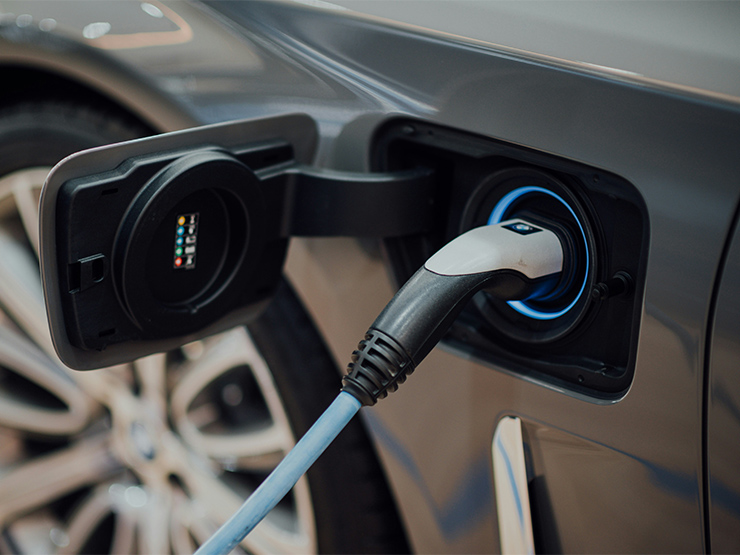
In Europe, North America, and China, electric vehicles (EVs) are becoming a common sight, driven by government incentives, stringent emissions regulations, and expanding charging infrastructure. In South Africa it is a story of immense potential colliding with unique and formidable challenges, creating a journey that is less of a sprint and more of a determined, albeit bumpy, ultra-marathon.
The most significant barrier to EV adoption in South Africa remains the prohibitive cost. While a growing number of models are available—from premium offerings like the BMW iX with a starting price of R1,735,000 for the iX xDrive40 model and the Mercedes-Benz EQ series with a starting price of R2,615,100 for the EQS 450+ sedan, to options from Chinese brands like GWM with the GWM Ora 03 with a starting price of R686,950—they all carry a hefty price tag. This is largely due to steep import duties and ad valorem taxes levied on vehicles, particularly those in higher price brackets. As a result, even an entry-level EV can cost significantly more than a comparable or even superior internal combustion engine (ICE) vehicle. For the average South African consumer, this price premium makes the switch to electric an economic non-starter, confining EV ownership to a small, affluent segment of the market.
This financial hurdle is compounded by the nation’s infamous energy crisis. The persistent reality of load shedding casts a long shadow over the practicality of EV ownership. The question on every potential buyer’s mind is simple but critical: “How can I reliably charge my car when the power is off for several hours a day?” This introduces a unique form of ‘energy anxiety’ that goes beyond the typical range anxiety. While many current owners mitigate this with home-based solutions like solar panels and battery storage systems, these installations represent another substantial financial outlay, pushing the total cost of entry even further out of reach for most.
Furthermore, the public charging infrastructure, while growing, is still in its infancy. Companies like GridCars have made commendable progress in establishing charging stations along major national routes, creating “electric highways” connecting cities like Johannesburg, Durban, and Cape Town. However, outside these main arteries and metropolitan hubs, fast and reliable chargers are scarce. This limits the viability of EVs for long-distance travel to more remote areas, reinforcing their perception as primarily urban vehicles.
Despite these significant obstacles, the tide is beginning to turn, albeit slowly. The government’s 2023 White Paper on New Energy Vehicles provided a much-needed policy direction. Since its publication, discussions around production-linked incentives and gradual reductions in import taxes have gained momentum. While consumers are yet to feel the full impact, the policy has signalled a clear intent to support the transition, boosting investor confidence and encouraging automakers to solidify their long-term EV strategies for the region.
Perhaps the most promising development is the conversation around local manufacturing. South Africa’s automotive industry is a cornerstone of its economy, primarily focused on exports. Global manufacturers with local plants, such as Mercedes-Benz, BMW, and Ford, are facing pressure to align their South African operations with their global electrification goals. The potential to retool local factories to produce hybrids and fully electric vehicles for both the domestic and export markets could be a game-changer. This would not only secure the future of the local auto sector but could also significantly lower the cost of EVs for South Africans, create jobs, and foster a local supply chain for components.
On the ground, consumer interest is undeniably growing. The allure of lower running costs (electricity being cheaper per kilometre than petrol), silent and smooth performance, and the environmental benefit of producing zero tailpipe emissions—no harmful particulates or CO2—is capturing the public’s imagination. As more models enter the market, particularly from cost-competitive Chinese brands, and visibility increases on the roads, the mystique surrounding EVs is gradually being replaced by practical curiosity. The private sector is also stepping up, with shopping centres, office parks, and lifestyle estates increasingly installing charging points to attract EV-driving customers.
South Africa’s journey towards electric mobility is a microcosm of its broader economic and social landscape: a nation of immense potential navigating complex challenges. The high cost, unreliable power grid, and nascent infrastructure are powerful headwinds. Yet, the tailwinds of government policy, the strategic necessity of local production, and growing consumer demand are gathering force. The electric revolution is not a question of ‘if’ for South Africa, but ‘how fast’. The next few years will be critical in determining whether the nation can successfully navigate the bumps in the road and charge towards a cleaner, more sustainable automotive future.
The information contained in this article is of a general nature and intended for information purposes only.
© Concept Publishing CC 2025