
The importance of home maintenance
Regular home maintenance is of vital importance in ensuring that claims in terms of homeowner’s insurance are not rejected due to inadequate care, which includes the upkeep of roofs, gutters and walls.
According to industry experts, the most common reason for homeowner’s insurance claims being rejected is poor maintenance, resulting in damage that could have been avoided. Insurance is there to protect you against sudden and unforeseen events, not against damage that occurs gradually over time.
For the best results, follow a monthly or seasonal schedule to ensure that you cover all the necessary areas. External maintenance should mostly be performed during dry seasons, while interior upkeep can be done throughout the year. The regular maintenance of your property will prevent small repairs from turning into big, expensive ones in the long run.
Between three and six months
- Inspect safety equipment like fire extinguishers. Test all alarms monthly, and repair devices and replace batteries if necessary.
- Keep drains clear using a non-toxic biological drain cleaner, but keep the plumber’s number handy. The use of caustic liquid drain cleaners and too much force on clogged drains can cause severe damage to fixtures or pipes.
- Check taps, sinks, bathtubs and toilets for moisture and leaks, to prevent water wastage and costly damage to cabinets and floors. Ensure that the overflow holes are clear.
- Inspect the sealant around bathtubs, showers and sinks, and fix grout cracks in the tiling. Check pipes inside and outside for rust or white lime deposits, which may indicate a leak.
- Walls and foundations should be checked for cracks and moisture build-up. Damp should be fixed promptly — preferably by a professional.
- Clear and clean gutters and downspouts, and ensure that the runoff is directed away from the home.
- Check the roof for warping and cracking, and inspect and repair the flashing around chimneys, vents and skylights.
- Inspect doors and windows for cracks and leaks, and replace window putty where necessary. Clean and lubricate the tracks of windows and sliding doors. Lubricate hinges and locks.
- At the start and end of each cooling and heating season, service your air-conditioning units.
- Ensure that all electrical appliances are in good working order. Inspect the insulation around cables, and check for discolouration around switches and outlets.
- Prune deciduous and flowering shrubs regularly. Ask for expert advice on controlling diseases and fertilising, as well as aerating and reseeding your lawn.
Once a year
- Inspect the roof for missing tiles and openings, and cut back tree branches that, with the help of the wind, scratch and wear your roof, causing damage. In windy areas, make sure that the supports of TV aerials and satellite dishes are firmly in place.
- Call in a plumber for routine maintenance and ask him to thoroughly check the geyser.
- Have wood-burning fireplaces or stoves inspected, cleaned and repaired to prevent chimney fires, carbon monoxide poisoning and deterioration of mortar and flashings.
- Vacuum the coils behind your refrigerator and freezer to increase energy efficiency.
- Clean carpets and upholstery to prevent premature wear and tear.
- Clean and lubricate garage door tracks, hinges and rollers, and tighten the screws.
- Clean paved areas around the house.
Every two years or more
- Clean air ducts, especially if family members suffer from asthma or allergies.
- Reseal tile grout every one to three years in medium- to heavy-use areas, and every three to five years in other areas.
- If decks and porches are professionally cleaned, sealed and maintained, refinishing only needs to be done every two to three years.
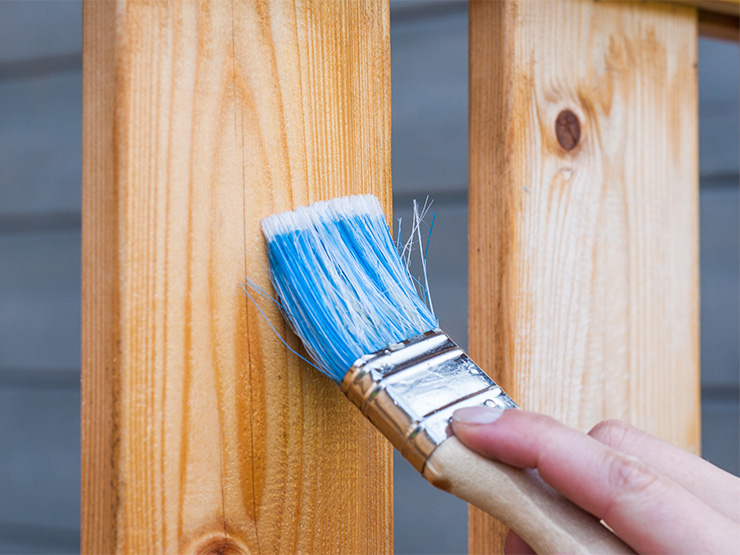
- Painted wooden surfaces must be checked thoroughly by pressing a finger on various areas of the wood to see if it gives way, as wood rot cannot be seen under paint.
- Exterior and interior walls can generally be painted every five to ten years. Rotate the schedule — paint certain areas every few years: first the front, then the back, then inside.
Proper planning, sticking to a schedule, using quality products and seeking professional help when needed will go a long way in retaining your property’s value and add to your enjoyment of your home.
The information contained in this article is of a general nature and intended for information purposes only. It is neither to be construed as financial advice nor to be regarded as a definitive analysis of any financial, legal or other issue. Individuals must not rely on this information to make a financial or investment decision. Before making any decision, we recommend you consult your financial planner/advisor to take into account your particular investment objectives, financial situation and individual needs.
© Concept Publishing CC 2023