
The art of watchmaking
In an era where digital screens and “planned obsolescence” dominate our professional and personal landscapes, a powerful counter-movement has taken hold among those seeking a return to the tactile, the mechanical, and the permanent.
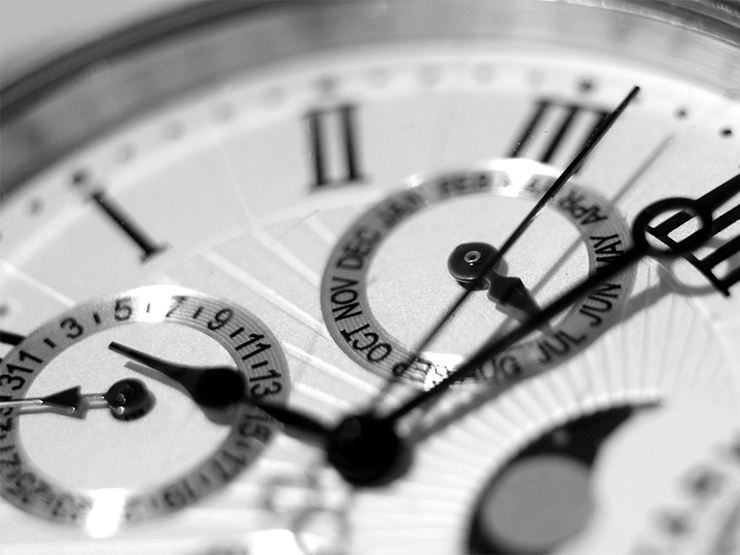
This is the renaissance of mechanical horology. Far from being a mere collector’s pursuit of status symbols, hand-winding and understanding the inner workings of mechanical watches has emerged as a premier hobby focused on mindfulness, engineering appreciation, and historical continuity.
A Sensory Counterweight to the Digital Age
A mechanical watch is a fascinating anomaly in the modern world: it requires no charging, relies on no algorithms, and does not emit notifications. It is a self-contained universe of micro-engineering. For enthusiasts, interacting with a mechanical watch provides a grounding, sensory counterweight to the abstract and often fleeting nature of digital work. The deliberate act of unscrewing a crown and winding a mainspring creates a physical connection to a machine that operates purely on the laws of physics—specifically the storage of potential energy and its regulated release through tension and friction.
Understanding the Movement: Micro-Engineering Mastery
To truly appreciate this hobby is to look beyond the dial and into the “movement” or calibre—the engine of the watch. A standard mechanical movement can contain anywhere from 130 to over several hundred microscopic parts, all working in perfect, frictionless harmony.
Hobbyists immerse themselves in the specific mechanics that make watchmaking so fascinating:
- The Escapement and Hairspring: This is the “heartbeat” of the watch. The hairspring, often thinner than a human hair and made from specialized alloys like Nivarox or Silicon, expands and contracts hundreds of thousands of times a day. The escapement mechanism regulates this energy, releasing it in tiny, controlled increments that create the signature “tick-tock” sound.
- The World of Complications: In horology, a “complication” is any function on a watch other than telling the basic time. This includes chronographs (stopwatches), moon phases, and the prestigious Perpetual Calendar. A perpetual calendar is a mechanical marvel that automatically accounts for the varying lengths of months and even leap years until the year 2100—all without a single line of computer code.
- The Art of Finishing: High-level hobbyists learn to spot hand-applied decorations on the movement plates and bridges. These include Côtes de Genève (parallel waves), Anglage (painstakingly bevelled and polished edges), and Perlage (overlapping circular graining). These details often require a jeweller’s loupe to fully appreciate and serve as a testament to the artisan’s individual skill.
The Ritual of Winding and Regulation
Manual-wind watches must be wound by hand every day or two to keep the mainspring under tension. This daily ritual becomes a moment of forced pause. It requires a gentle touch; winding too aggressively or past the point of resistance can snap the spring. This act forces the owner to slow down, focus on the physical resistance of the gears, and engage in a quiet moment of focus before the day begins. Furthermore, collectors often enjoy the “regulation” of their watches—observing how the mechanical heart gains or loses a few seconds depending on the position it is left in overnight, treating the machine almost like a living entity.
The Ethics of Longevity and Legacy
In a world where smartphones and laptops are designed to be replaced every few years, the mechanical watch is built for the long term. A finely crafted mechanical watch is designed to last for generations if properly serviced every 5 to 10 years. This sense of permanence is a major draw for the modern hobbyist. It represents a factual link to the past and a legacy for the future—an object that can be passed down to children or grandchildren as a functioning piece of history. Unlike digital assets, a mechanical watch does not suffer from software incompatibility; as long as there is a skilled watchmaker to clean and oil the gears, it will run forever.
Conclusion
The art of watchmaking offers more than just a way to track time; it provides a way to reclaim it. In a fast-paced professional world, the mechanical watch serves as a reminder of the beauty of precision and the value of things built to last. Whether you are an experienced collector or a new enthusiast, engaging with the micro-world of horology allows for a rare moment of technological stillness. It is a pursuit that honours human craftsmanship, providing a sense of permanence and peace in an increasingly fleeting digital landscape. By mastering the language of gears and springs, you are not just checking the time; you are observing the pinnacle of mechanical achievement.
The information contained in this article is of a general nature and intended for information purposes only.
© Concept Publishing CC 2026