
Protecting the glow
The massive “solar rush” of 2025 and 2026 has permanently altered the South African landscape.
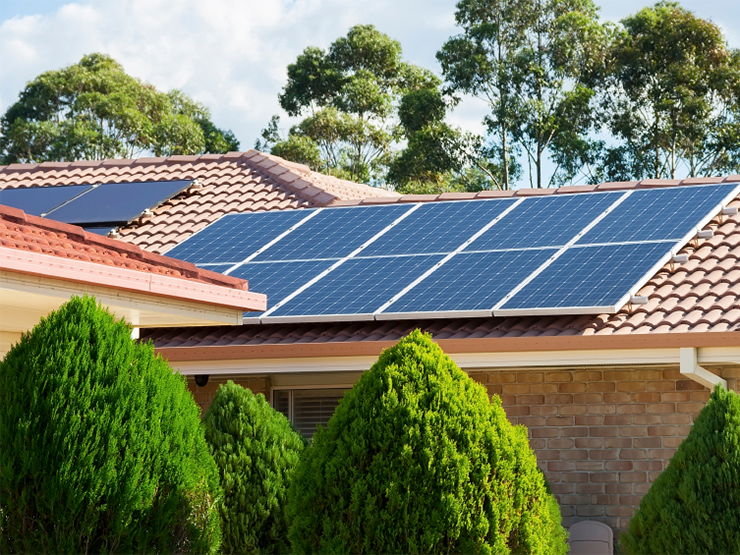
Driven by the need for energy security and a desire to hedge against the 8.76% Eskom tariff hike implemented in April, thousands of households and businesses have moved off-grid. However, as the initial excitement of installation fades, a new challenge has emerged: the complex task of properly insuring and legally protecting these high-value assets.
The Capital Realities of Going Off-Grid
Moving completely off-grid—effectively severing ties with the municipal or Eskom supply—is a significant financial undertaking that requires careful planning. Unlike hybrid systems that use the grid as a backup, a true off-grid system must be “oversized” to ensure power during consecutive cloudy days. As of May 2026, the cost of these systems is largely driven by the battery bank, which remains the most expensive variable.
For a small, off-grid setup focusing on essential loads (such as a 5kW inverter with 10kWh of storage and 8 panels), owners should budget between R88,000 and R110,000. A medium-tier system capable of supporting a full family home usually scales up to an 8kW inverter with 15-20kWh of storage, pushing the investment to between R165,000 and R210,000. For large-scale properties or those with high consumption needs, a 12kW+ system with 30kWh of storage can easily exceed R275,000, with some reaching over R385,000 depending on the quality of the lithium-ion units. These figures include the inverter, batteries, Tier-1 panels, and specialized mounting hardware, with high-tier batteries currently averaging between R6,500 and R12,500 per kWh installed.
The Compliance Foundation: No CoC, No Cover
In the event of a claim—whether due to fire, lightning, or theft—the first document an assessor will request is the Certificate of Compliance (CoC). In South Africa, the law requires that any electrical installation be performed by a person registered with the Department of Employment and Labour (DoEL). This ensures that the system is grounded correctly and that the “changeover” switch is installed safely.
If a system is installed by an uncertified contractor, the insurance company has legal grounds to reject any related claim, even if the damage was caused by an unrelated event like a hailstorm. Furthermore, under the updated Electricity Regulation Act of 2026, all systems must be registered with the local municipality or Eskom. This registration is now a standard “pre-condition” for insurance cover; an unregistered system is often viewed as an illegal installation that poses an unquantified risk.
The Theft and Vandalism Factor
A specific challenge in 2026 is the rise in targeted solar theft. Solar panels and inverters have high resale values in the informal market. Insurers now increasingly mandate specific security measures for solar hardware. This may include anti-theft bolts on panels, housing inverters in lockable cages, or even the installation of dedicated vibration sensors that trigger an alarm if a panel is tampered with.
For off-grid users, the risk is even higher. If your system is stolen, you are not just out of pocket; you are literally in the dark. Business interruption cover for solar is becoming popular for home-based entrepreneurs, ensuring that if the system fails or is stolen, the insurance covers the loss of income while the power is down.
Conclusion
Transitioning to solar is a vital move toward energy independence, but the project does not end once the panels are on the roof. Protecting that investment requires a proactive relationship with your insurer and a commitment to professional upkeep. In the volatile energy landscape of 2026, a fully compliant and insured solar system is one of the most resilient assets a South African can own.
The information contained in this article is of a general nature and intended for information purposes only. It is neither to be construed as financial advice nor to be regarded as a definitive analysis of any financial, legal or other issue. Individuals must not rely on this information to make a financial or investment decision. Before making any decision, we recommend you consult your financial planner/adviser to take into account your particular investment objectives, financial situation and individual needs.
© Concept Publishing CC 2026