
Paddle Ball
Paddle ball, a sport that has captivated enthusiasts around the globe, offers a unique blend of physical activity, strategy, and fun.
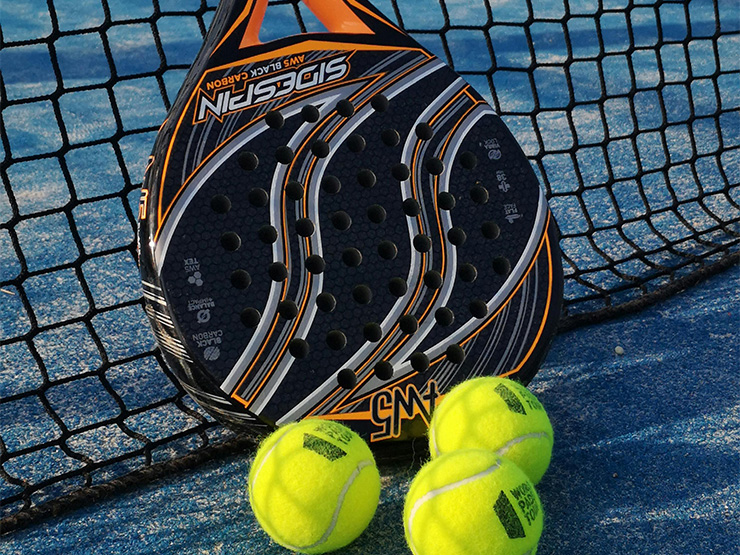
This game, which can be played both indoors and outdoors, is a fantastic way to stay active and engage in a competitive yet friendly sport. Originating in the early 20th century, paddle ball has evolved into various forms, with each offering a different set of rules and equipment. The traditional version involves a wooden paddle and a small rubber ball, which players hit against a wall or backboard. The objective is to keep the ball in play, requiring quick reflexes and sharp hand-eye coordination.
Paddle ball is making waves in South Africa. Known as Padel, this hybrid of tennis and squash is recognized as the fastest-growing sport globally, with over 18 million enthusiasts across 90 countries. Now, thanks to a South African-Swedish business consortium, this dynamic and engaging sport has found a new home on the African continent.
The inception of Padel in South Africa can be traced back to the end of 2019, with the establishment of the country’s first court at Val de Vie Estate, nestled in the picturesque Cape Winelands. This initiative, spearheaded by former Olympic swimming champion Ryk Neethling, marked the beginning of the country’s love affair with Padel. The sport’s popularity surged, leading to a rapid expansion of courts to accommodate the growing interest.
Padel’s allure lies in its accessibility and social nature, making it an ideal sport for all ages and skill levels. With smaller courts and walls used as part of the play, it offers a unique blend of strategy and physicality. South Africa, a nation passionate about sports, has embraced Padel with open arms, integrating it into the fabric of its diverse sporting culture.
The South African Padel Association (SAPA), formalized in 2019, has been instrumental in promoting the sport, with aspirations to see it recognized officially within the country. SAPA’s vision includes establishing provincial and interprovincial leagues, a national championship, and fielding a competitive national team to participate in international tournaments.
The growth of Padel in South Africa is a testament to the country’s vibrant sports scene and its ability to adopt and excel in new athletic endeavours. With new clubs and courts sprouting across the nation, Padel is poised to become a staple in South Africa’s sporting landscape, offering a fresh and exhilarating experience for players and spectators alike.
For those looking to dive into the world of Padel, numerous venues across South Africa offer the opportunity to play and learn this exciting sport. Whether you’re in the bustling cities or the tranquil seaside resorts, Padel provides a perfect blend of fun, fitness, and fellowship.
Played on an enclosed court about a third the size of a tennis court, the game involves a solid, stringless racquet and a low-compression tennis ball. Here’s a concise overview of the basic rules that govern this dynamic sport:
Scoring System: Paddle tennis follows a scoring system similar to traditional tennis, with points counted as 15, 30, 40, and game. A set is won by the first player or team to reach six games with a two-game advantage. Matches are typically best of three sets.
Service: The serve must be underhand and below the waist level. Players are allowed two attempts to execute a successful serve. The ball must land in the diagonal service box on the opponent’s side. If the ball hits the net and lands in the service box, a let is called, and the serve is retaken.
Ball in Play: After the serve, players can return the ball before or after it bounces off the walls surrounding the court, adding a unique strategic layer to the game. However, the ball must bounce on the floor first before hitting the wall on the return.
Faults: A service fault occurs if the ball fails to land in the correct service box or if the ball bounces off the walls before landing in the service box. Players lose the point if they fail to return the ball to the opponent’s side before it bounces twice on their own side.
Changing Ends: Players switch ends of the court after every odd-numbered game of the set to ensure fair play conditions. During tie-breaks, ends are changed after every six points.
Gameplay: Paddle tennis can be played in singles or doubles, though doubles is more common. The walls play a significant part in the game, as players can use them to rebound the ball, creating diverse and engaging rallies.
These fundamental rules make paddle tennis an accessible yet challenging sport, suitable for players of all ages and skill levels. The game emphasizes quick reflexes, strategic thinking, and adaptability, providing a fun and competitive experience for participants and spectators alike. For a more detailed understanding of the rules and to see the game in action, watching tutorial videos can be highly beneficial.
Paddle ball is more than just a pastime; it’s a sport that promotes physical fitness, strategic thinking, and social interaction. Its simplicity and adaptability have made it a beloved activity for generations, and its popularity continues to grow. Whether you’re a seasoned player or a newcomer to the sport, paddle ball offers endless hours of entertainment and a welcoming community of players.
The information contained in this article is of a general nature and intended for information purposes only.
© Concept Publishing CC 2024