
Hypertension: A Silent Threat
Hypertension, commonly known as high blood pressure, is a medical condition that has become a global health concern.
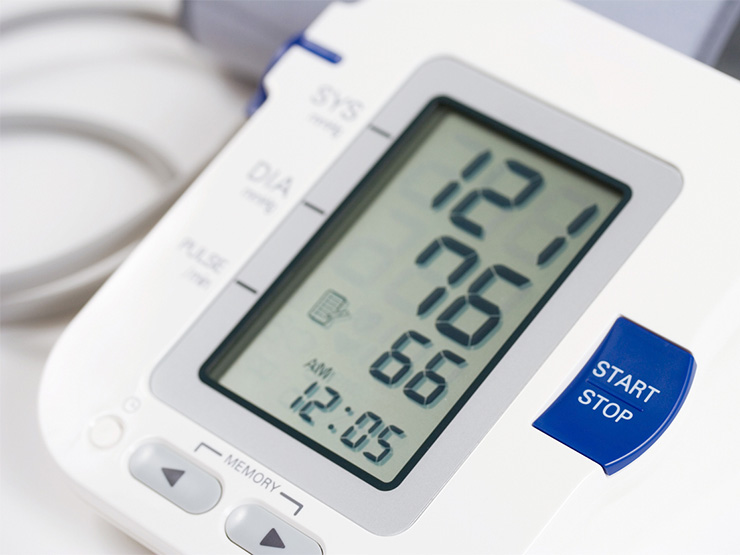
The World Health Organization (WHO) defines hypertension as a condition where blood pressure in the arteries is persistently elevated, with a reading of 140/90 mmHg or higher. It is a silent condition, often going undetected due to its symptomless nature, yet it is a significant risk factor for heart disease and stroke, two leading causes of death worldwide.
What is Hypertension?
Blood pressure is the force exerted by circulating blood against the walls of the body’s arteries, the major blood vessels in the body. Hypertension occurs when this pressure is too high over a prolonged period. The American Heart Association categorizes blood pressure into four general categories, with normal blood pressure being lower than 120/80 mm Hg and hypertension starting at a threshold of 130/80 mm Hg.
Causes and Risk Factors
The exact causes of hypertension are not always clear, but several factors can increase the risk, including genetics, age, lifestyle choices, and underlying conditions such as diabetes or kidney disease. Unhealthy lifestyles, such as poor diet, physical inactivity, and tobacco use, significantly contribute to the prevalence of hypertension.
The Impact of Hypertension
The impact of hypertension on health cannot be overstated. It is a primary cause of cardiovascular complications, such as heart attack and stroke, and it also affects kidney function. The Mayo Clinic notes that untreated high blood pressure increases the risk of serious health problems, emphasizing the importance of regular blood pressure checks starting at age 18.
Diagnosis and Monitoring
The diagnosis of hypertension typically involves the measurement of blood pressure using a sphygmomanometer. Regular monitoring is essential, as hypertension often presents with no symptoms, making it a silent threat to health.
Treatment Options
Treatment for hypertension includes a combination of lifestyle changes and medication. Lifestyle modifications are the cornerstone of managing high blood pressure and can significantly reduce the need for medication in some individuals.
Lifestyle Changes
- Diet: Adopting a diet rich in fruits, vegetables, and low-fat dairy, while reducing saturated fat, cholesterol, and trans fats, is beneficial. The DASH diet (Dietary Approaches to Stop Hypertension) is specifically designed to help lower blood pressure.
- Exercise: Regular physical activity, such as 150 minutes of moderate-intensity exercise per week, can improve heart health and lower blood pressure.
- Weight Management: Maintaining a healthy weight is key to controlling blood pressure.
- Salt Intake: Reducing salt intake can have a positive impact on blood pressure levels.
- Stress Management: Learning to manage stress through techniques like meditation, yoga, or therapy can help lower blood pressure.
Medications
When lifestyle changes are insufficient, medications may be prescribed. These include:
- Beta Blockers: Reduce heart rate and decrease blood pressure.
- Diuretics: Help eliminate excess sodium and fluid.
- ACE Inhibitors: Widen blood vessels and reduce blood pressure.
- Angiotensin II Receptor Blockers (ARBs): Relax blood vessels.
- Calcium Channel Blockers: Reduce the amount of calcium entering heart muscles.
- Alpha Blockers: Relax artery and vein muscles.
- Renin Inhibitors: Inhibit enzymes that raise blood pressure.
It’s important to never skip medications and to follow the prescribed treatment plan closely.
Specialist Care
A cardiologist specializes in the diagnosis and management of heart-related disorders, including hypertension. Regular checkups and consultations with a healthcare provider are crucial for effective management of high blood pressure.
Complications and Prevention
Untreated hypertension can lead to serious health issues, including heart attack, stroke, and heart failure. Preventative measures such as maintaining a healthy weight, exercising regularly, managing stress, and following a balanced diet rich in calcium, potassium, and magnesium are recommended.
Hypertension is a manageable condition with the right approach to treatment and lifestyle. It requires a commitment to long-term health and regular consultation with healthcare professionals. By understanding the importance of diagnosis, treatment options, and preventative measures, individuals can take control of their blood pressure and reduce the risk of complications.
The information and other content provided in this article are not intended and should not be construed as medical advice, nor is the information a substitute for professional medical expertise or treatment. If you or any other person has a medical concern, you should consult with your health care provider or seek other professional medical treatment. If you think you may have a medical emergency, call your doctor or emergency services immediately.
© Concept Publishing CC 2024