
Connect to the world
Amateur radio is a great way to learn about communications technology and to make friends all over the globe. Getting involved in this fascinating hobby is easy and it can be enjoyed by young and old alike.
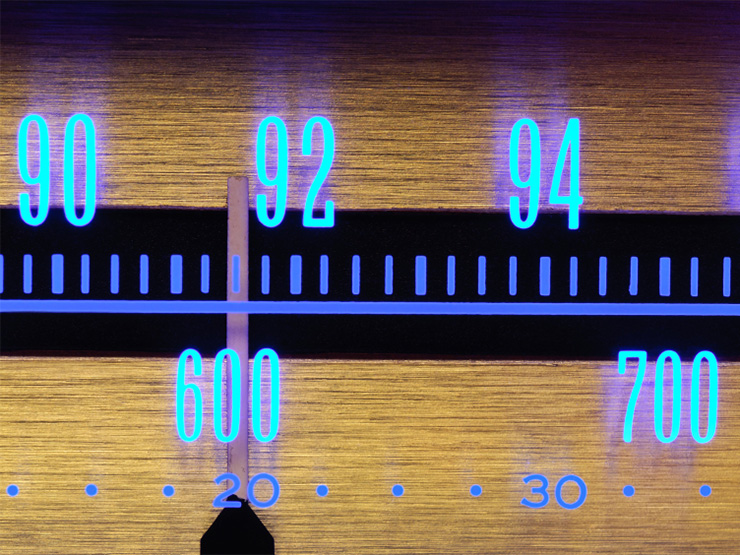
Radio amateurs, or ‘hams’, use two-way radio communication to contact other radio amateurs, both local and international. Using even the simplest of radio setups and antennas, radio amateurs communicate with each other for fun, during emergencies, and in contests. Radio amateurs are able to use satellites and have, on occasion, been known to speak to astronauts. This hobby can be practised anywhere – from home, in a car, on a boat, or even while on foot.
The South African Radio League (SARL) (www.sarl.org.za), formerly known as the South African Radio Relay League (SARRL), is a non-profit organisation representing the interests of amateur radio enthusiasts in South Africa. The SARRL was formed in 1925 and at the outset membership was limited to licensed radio experimenters capable of two-way telegraphic communication by radio. SARL represents its members and all licensed amateur radio operators in South Africa. Matters include the promotion of deregulation, simplification of the amateur radio service, and expansion of the number of amateur radio operators in Southern Africa. SARL publicises and promotes the role of amateur radio in society, and promotes the use of amateur radio in schools as an entry point into the fields of science and technology. SARL also represents South Africa in the International Amateur Radio Union.
SARL explains that radio hams have a full range of communication means at their disposal. These include plain voice, Morse code, numerous digital computer modes and even graphical modes such as television. As a licensed amateur radio operator, you will be able to join in experiments using all these different communication methods.
According to the USA’s National Association for Amateur Radio, the first wireless operators were landline telegraphers who left their offices to go to sea or to man coastal radio stations. In those early days, government radio stations, ships, coastal radio stations and the increasingly numerous amateur operators all competed for time and signal supremacy in each other’s receivers. Because many of the amateur stations were very powerful, two amateurs communicating with each other across town could effectively jam all the other operations in the area. Frustrated commercial operators would refer to these amateur radio enthusiasts as ‘hams,’ meaning poor operators.
Through Hamnet, radio amateurs may be called upon to handle messages for police and other public service organisations during all kinds of emergencies. Examples of the use of amateur radio in emergency situations from the USA are when Amateur Radio Service kept New York City agencies in touch with each other after their command centre was destroyed during the 9/11 tragedy. Ham radio operators also came to the rescue during Hurricane Katrina when all other communications failed.
Due to the fact that radio amateurs are permitted to use a wide range of frequencies and types of communication, they must be qualified radio operators. In South Africa, as in most countries, amateur radio is regulated by the government’s Department of Communication. Licensing is dealt with by the Independent Communications Authority of South Africa (ICASA).
In order to be certified as an amateur radio operator, South African regulations require that applicants write an exam, called the Radio Amateurs Exam (RAE). This assessment tests an applicant’s knowledge of the basic principles of radio communication and the regulations governing amateur radio operators. This exam is simple enough for anyone with a high school education and an interest in the hobby to pass, and that there are clubs in most cities and towns around the country that provide classes for the RAE and facilitate writing of the test. There are a number of competitions for radio amateurs each year, in which amateur radio stations, operated by individuals or teams, seek to contact as many other amateur radio stations as possible in a given period and exchange information.
If your interest in this hobby has been piqued, contacting SARL to find out more could be the first step in a fascinating journey of discovery.
Copyright ® Concept Publishing CC 2020