
Building a Fund for Local Travel
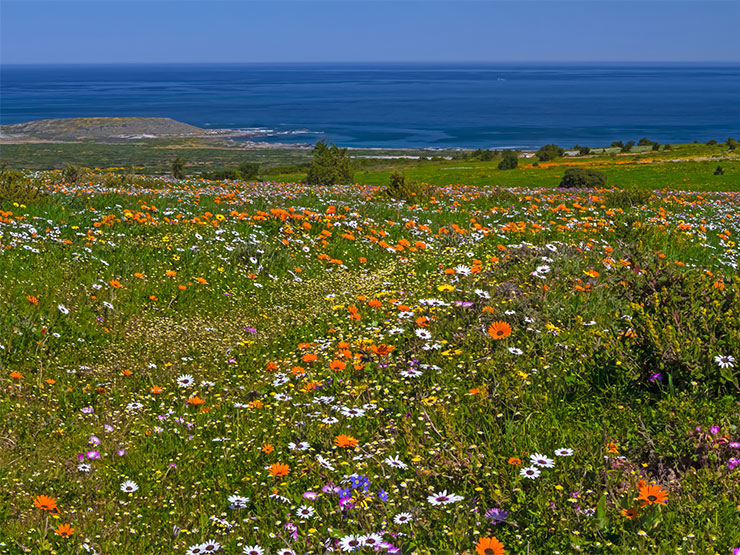
September is National Tourism Month in South Africa. As spring unfolds across the country—from the vibrant wildflower displays along the West Coast to the warming coastal waters of Kwazulu-Natal—it serves as a timely reminder that true financial planning is about more than balance sheets and asset accumulation.
Wealth is ultimately a tool designed to enrich life, facilitate shared family experiences, and support overall well-being.
However, funding leisure travel without a clear savings strategy often creates financial tension. Many households fund holidays using high-interest credit cards or overdraft facilities, resulting in a post-holiday financial hangover that erodes savings goals. Alternatively, individuals avoid leisure altogether out of anxiety that spending money on travel compromises their long-term financial security.
The solution is not to forgo holidays, but to establish an Experience Fund—a dedicated sinking fund integrated directly into your monthly financial plan.
What Is an Experience Sinking Fund?
A “sinking fund” is a behavioural finance technique where you save a set amount of money every month for a specific, predictable future expenditure.
Unlike an emergency fund (which is reserved exclusively for unforeseen crises), an Experience Fund is created specifically to be spent on leisure, travel, family reunions, and hobbies. Instead of treating holidays as unexpected seasonal expenses or relying on year-end bonuses, an Experience Fund treats leisure as a planned, recurring line item in your budget.
HOW TO STRUCTURE AN EXPERIENCE SINKING FUND
- Define Total Annual Travel Budget (e.g., R36,000 for local getaways)
- Divide by 12 Months = Set up an automated transfer of R3,000/month
- Deposit into a high-yield, separate liquid cash or money market account
- Pay for travel expenses directly from this account—guilt-free!
Three Wealth-Building Advantages of an Experience Fund
- Eliminates High-Interest Consumer Debt: Funding a R25,000 family holiday on a credit card charging 18% to 22% interest significantly inflates the true cost of the trip. Paying for travel using pre-saved cash ensures every Rand spent goes directly toward your experience rather than bank interest.
- Protects Long-Term Investment Capital: Without a dedicated travel reserve, investors facing holiday expenses often make emergency withdrawals from discretionary unit trusts or equities. Forced withdrawals can trigger unwanted Capital Gains Tax (CGT) events and interrupt the compounding growth of core retirement portfolios.
- Provides Psychological Freedom and Guilt-Free Spending: Money allocated to an Experience Fund has a single purpose: to be enjoyed. Removing financial guilt allows you to fully engage with your family and rest, secure in the knowledge that your long-term wealth goals remain completely on track.
Exploring South Africa This Spring: Destination Highlights
Tourism Month is an ideal time to explore South Africa’s world-class local destinations while supporting regional economies:
- The West Coast Flower Route: Between late August and late September, the Postberg Reserve, West Coast National Park, and Namaqualand transform into breathtaking carpets of wildflowers—a scenic getaway easily accessible from the Western Cape.
- Spring Safaris in Kruger or Addo: Early spring offers exceptional wildlife viewing in the Kruger National Park, Madikwe, and Addo Elephant National Park. Bush vegetation remains sparse, and animals gather around waterholes before the summer rains arrive.
- The Drakensberg and Garden Route: Perfect for outdoor enthusiasts, offering crisp mountain trails, forest walks, and coastal drives as seasonal temperatures warm up.
Smart Travel Budgeting and Execution Guidelines
Book Early for Peak Seasons
If you plan to travel during the December school holidays or Easter, lock in accommodation and flight bookings during September. Securing bookings early avoids peak-season price surges and allows you to estimate exact cash requirements for your sinking fund.
Audit Loyalty Programs and Rewards
Review your credit card, medical scheme, and fuel loyalty points. Converting accumulated rewards into flight discounts, car rentals, or hotel stays can significantly offset travel expenses.
Keep Travel Capital Separate
Maintain your Experience Fund in a separate money market or call account distinct from your primary day-to-day transaction account. Keeping travel cash visually and operationally separate prevents daily micro-expenditures from eroding your holiday reserves.
Financial freedom is about achieving balance—preparing diligently for tomorrow while living meaningfully today. By establishing a dedicated Experience Fund, you can explore the beauty of South Africa, build lasting memories with your loved ones, and maintain total peace of mind regarding your long-term financial security.
The information contained in this article is of a general nature and intended for information purposes only. It is neither to be construed as financial advice nor to be regarded as a definitive analysis of any financial, legal or other issue. Individuals must not rely on this information to make a financial or investment decision. Before making any decision, we recommend you consult your financial planner/adviser to take into account your particular investment objectives, financial situation and individual needs.
© Concept Publishing CC 2026