
Are dark stores the future of retail?
Dark stores, also called dark supermarkets, are traditional retail outlets that are being used to cater for online shopping fulfilment.
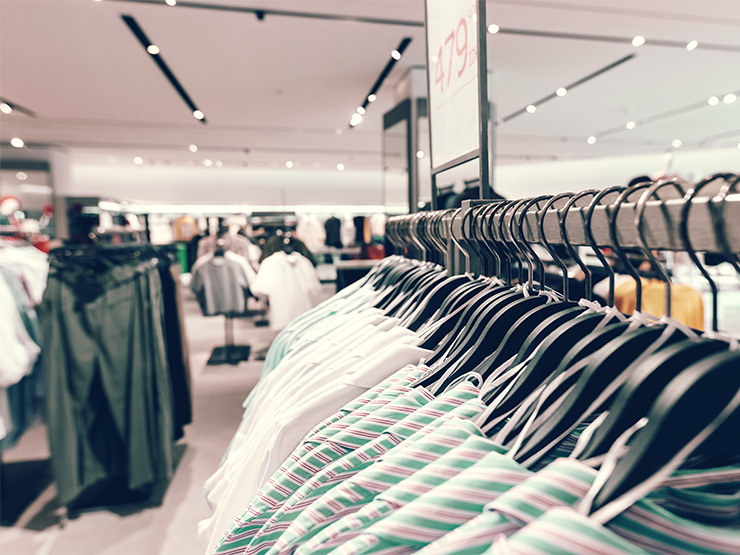
Forbes reports that globally, many retail stores have been converted to local fulfilment centres during the COVID-19 pandemic. The rise in online shopping has meant that many retailers in the United States, Europe and Australia have invested their resources in creating dark stores to help them deal with the increased volume in orders. These stores include grocery stores, clothing stores and home goods retailers. Dark stores can be used to facilitate click-and-collect sales or to serve as fulfilment platforms for online sales.
Dark stores have been around for several years in the United Kingdom and Europe and large US-based retail chains such as Walmart had already been testing the dark store concept before the COVID-19 outbreak. Target has been using a hybrid approach, where online orders are processed and distributed from their retail stores to shorten delivery times, ease some of the pressure on fulfilment centres and provide a faster and more convenient shopping experience.
Underperforming stores in less desirable retail locations make good candidates for conversion into dark stores. Ideally, dark stores should be located in heavily populated areas, reasonably close to a large number of existing customer or other retail locations. This reduces transport costs and provides quicker service.
Smart Company lists the following as benefits of dark stores:
- Dark stores combine the best of a store with a fulfilment centre so retailers can quickly fill orders as close to their customer as possible.
- Fulfilling from these locations reduces transport costs and provides quicker service, shortening the delivery time from days to hours. It also reduces environmental impacts and carbon emissions associated with delivery and encourages customers to click-and-collect instead.
- Dark stores can improve efficiency and the quality of customers’ shopping experience. With the addition of technology in the pick-and-pack process, retailers can increase the number of products that are delivered to drive a more efficient operation.
- As far as quality goes, anyone who has ordered groceries online can attest that the quality of many produce items often is not up to par. With a dark store, grocers can create dedicated chilled operating zones that maintain the quality and freshness of food.
- Since dark stores are not restricted by opening-hour regulations that are imposed on typical stores, they can operate non-stop all year.
It may not be the best approach to revert to a dark store strategy in South Africa, where shopping at the local mall is one of the most popular pastimes. Following Target’s example and employing a hybrid model by turning a portion of a traditional retail store into a fulfilment centre for online deliveries and a pickup point for online sales could be an excellent use of under-utilised floor space.
The information contained in this article is of a general nature and intended for information purposes only.
© Copyright Concept Publishing CC 2021